
Master Cholesterol Control Through Smart Nutrition
Discover science-backed strategies to manage your cholesterol levels naturally. Learn how the right food choices can transform your heart health and support your long-term wellbeing.
The information on this site is for educational purposes only and does not constitute medical advice. Always consult a qualified healthcare professional before making health decisions.
Why Proper Nutrition Matters for Heart Health
Cardiovascular Support
Strategic food choices help maintain healthy lipid profiles and support your heart's function. Understanding which nutrients benefit your cardiovascular system is the foundation of effective cholesterol management.
Natural Approach
Whole foods, fiber-rich ingredients, and plant-based options offer powerful ways to manage cholesterol naturally. This evidence-based approach empowers you to take control through everyday meal decisions.
Sustainable Habits
Building lasting dietary improvements means finding meal plans and recipes you actually enjoy. Our content focuses on practical, realistic strategies that fit into your lifestyle for long-term success.
Your 4-Week Cholesterol Control Journey
Learn the Basics
Understand what cholesterol is, how it affects your body, and which dietary factors play the biggest role in your lipid levels.
Assess Your Diet
Review your current eating patterns to identify areas where nutritional adjustments can make the biggest positive impact.
Implement Changes
Gradually introduce heart-healthy recipes, fiber-rich meals, and nutrient-dense foods into your weekly meal planning.
Monitor Progress
Track how your dietary improvements align with your health goals and adjust meal choices as you learn what works best for you.
Heart-Healthy Recipe Collections

Omega-3 Rich Meals
Explore fatty fish recipes, plant-based omega sources, and anti-inflammatory meal ideas designed to support your cardiovascular system.
Read recipes
Fiber & Whole Grains
Discover delicious ways to incorporate soluble fiber, whole grains, and plant-based proteins into your daily menu planning.
Read recipes
Fresh Produce & Antioxidants
Explore vibrant vegetable dishes, fruit-based desserts, and colorful salad ideas packed with antioxidants and essential nutrients.
Read recipes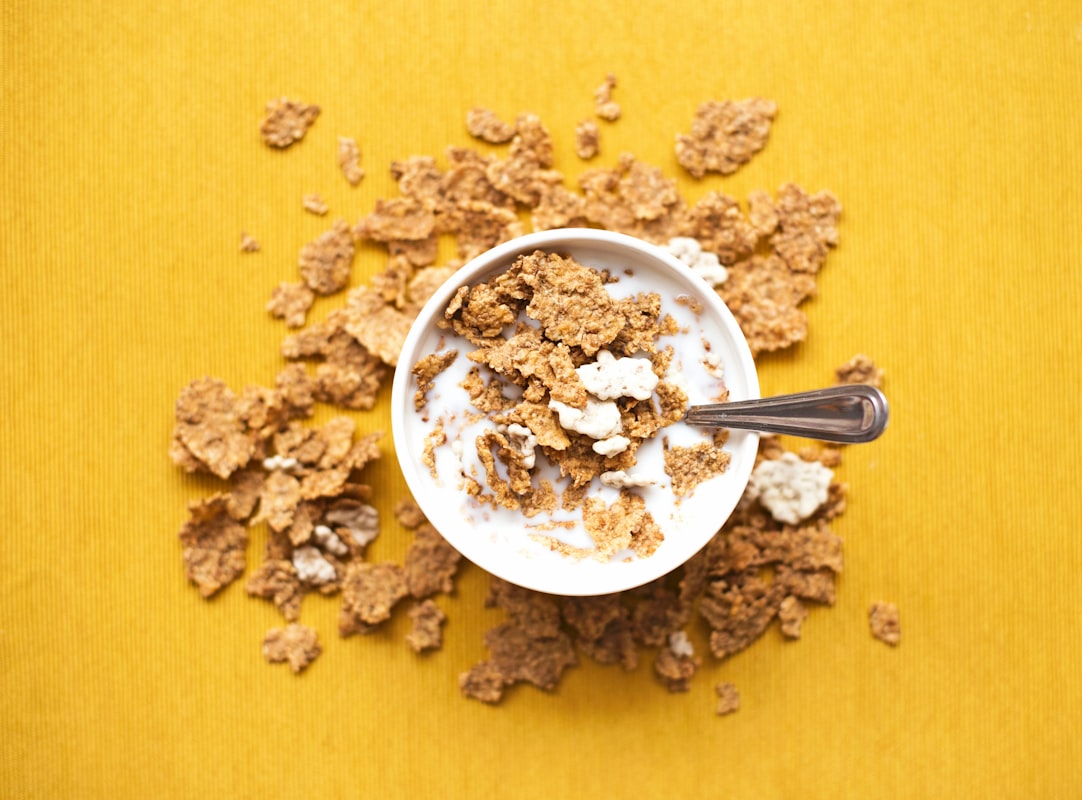
Smart Snacking Ideas
Find satisfying snack options featuring nuts, seeds, and plant-based alternatives that support your cholesterol management goals.
Read recipes
Lean Protein Options
Master preparation techniques for poultry, legumes, and plant-based proteins while keeping saturated fat intake in balance.
Read recipes
Meal Planning Guides
Access structured weekly plans, shopping lists, and prep strategies to make heart-healthy eating simple and sustainable.
Explore plansWhat Our Community Members Share
"The nutrition guidance I found here completely transformed how I approach my meals. Within just a few weeks of following the meal plans and understanding the science behind cholesterol management, I felt noticeably better. The recipes are actually delicious, not bland at all. My family has started enjoying these meals with me, which makes sticking to it so much easier."
Siti Nurhaliza
Jakarta
"I was skeptical about changing my eating habits at first, but this educational platform breaks down everything into understandable steps. The articles explain why certain foods matter, not just telling you what to eat. That understanding has made all the difference in my commitment. I recommend this resource to all my friends who want to improve their health naturally."
Budi Santoso
Surabaya
"The meal planning section is incredibly helpful. I used to waste time wondering what to cook, now I have structure and variety. The science-backed information gives me confidence that I'm making the right choices for my health. It's refreshing to find content that educates rather than just sells products. This is the kind of resource I wish I'd found earlier in my wellness journey."
Dewi Lestari
Bandung
"What impressed me most is the practical approach. Nothing feels extreme or unsustainable. The articles about reading nutrition labels and understanding food combinations have genuinely changed how I shop and cook. I feel more informed and in control of my nutritional choices. Highly recommend this to anyone serious about improving their eating habits."
Ahmad Wijaya
Medan
Common Questions About Cholesterol Control
Foods rich in soluble fiber, omega-3 fatty acids, and plant sterols are particularly beneficial. This includes oats, barley, fatty fish like salmon, ground flaxseed, nuts, seeds, and vegetable oils like olive oil. Legumes such as beans and lentils are also excellent choices. Additionally, incorporating plenty of colorful vegetables and fruits provides antioxidants and micronutrients that support overall cardiovascular health. The key is building meals around whole, minimally processed foods.
Individual responses vary, but many people notice measurable improvements within 2-4 weeks of making consistent dietary changes. Some experience benefits even sooner. The timeline depends on factors like your starting point, how strictly you follow nutritional recommendations, your activity level, and your genetic background. The important thing is that dietary improvements tend to accumulate over time, so consistency matters more than expecting overnight results. Most people find the biggest changes occur when they combine improved nutrition with other lifestyle factors.
No, sustainable dietary changes don't require complete elimination of favorite foods. Instead, the approach focuses on balance, portion control, and preparation methods. You can still enjoy occasional treats while prioritizing heart-healthy options most of the time. The goal is building a sustainable eating pattern you can maintain long-term, not following an overly restrictive diet. Our content includes practical tips for modifying favorite recipes and finding healthier alternatives to common foods, so you don't feel deprived while improving your nutrition.
Our meal planning guides provide structured examples of balanced daily eating that includes protein, healthy fats, complex carbohydrates, fiber, and essential vitamins and minerals. A simple approach is the plate method: fill half your plate with vegetables and fruits, one quarter with lean protein, and one quarter with whole grains. The articles break down specific recommendations for different food groups and explain why each nutrient matters. As you learn more, meal planning becomes intuitive and second nature.
Nutritional improvements can benefit everyone, though individual results vary based on genetics, current health status, age, and other factors. Some people experience dramatic changes while others see more modest improvements. What matters is that making better food choices generally supports long-term health regardless of how quickly you see specific numbers change. Our content is educational in nature and helps you understand the principles so you can work with your own health situation. The focus is on sustainable habits that improve your overall wellbeing.
Our beginner-friendly articles break cholesterol management down into simple, actionable steps. Start by reading about the basics of what cholesterol is and why nutrition matters. Then explore the recipe collections to find meals that appeal to you. The meal planning guides offer structured weekly templates so you don't have to start from scratch. Don't try to change everything at once—pick one or two new habits to implement first, master those, then gradually add more improvements. This phased approach tends to work much better than trying to overhaul your entire diet immediately.
Ready to Learn More?
Explore our comprehensive collection of articles, meal plans, and nutrition guides designed to help you understand and manage cholesterol through informed food choices. Join our community of readers committed to better health through education.